South Africa has one of the strongest meat cultures on the continent. From braai to biltong, boerewors to value-added deli products, the demand for quality butchery is consistent and commercially significant. The South African meat market was valued at approximately R135 billion in 2023, and independent and semi-independent butcheries remain a core part of that market.
Setting up a commercial butchery, however, is a project that punishes poor planning. The cold chain requirements are unforgiving, the compliance obligations are detailed, and the equipment decisions made at the outset determine both your operating costs and your capacity to compete on margin. This guide covers every material decision you need to make, in the order you need to make it.
Understanding the Commercial Butchery Landscape in South Africa
South African butcheries operate across a wide spectrum. At one end are small neighbourhood butcheries serving a local community with fresh cuts and braai packs. At the other are large-scale operations producing vacuum-packed products, processed meats, biltong, sausages, and a full range of value-added lines for retail distribution.
Your equipment specification and compliance obligations are significantly different depending on which model you operate. This guide addresses commercial butchery operations, meaning operations that process raw meat for sale to the public or to other food businesses. If you are establishing an abattoir, additional regulations apply under the Meat Safety Act (Act 40 of 2000) and must be addressed separately.
Phase 1: Cold Room and Freezer Specification
The cold chain is the foundation of every butchery operation. Every other decision in the setup flows from it. An undersized cold room creates pressure from day one and forces operators to either limit stock holding or cut corners on temperature management, both of which are costly.
Sizing Your Cold Room
Cold room capacity should be calculated on the basis of your anticipated stock holding at peak periods, not average periods. Account for delivery cycles, seasonal demand spikes, and the space required for proper air circulation around product. A common error is specifying a cold room at minimum viable capacity and then discovering within six months that it cannot accommodate normal trading volumes.
South African cold rooms typically operate at 0-4°C for fresh meat holding and -18°C or lower for frozen product. Many butcheries require both. A blast chiller is also worth specifying if you intend to cook or process product on-site, as it allows rapid temperature reduction to comply with HACCP cooling requirements.
Refrigerated Display Cases
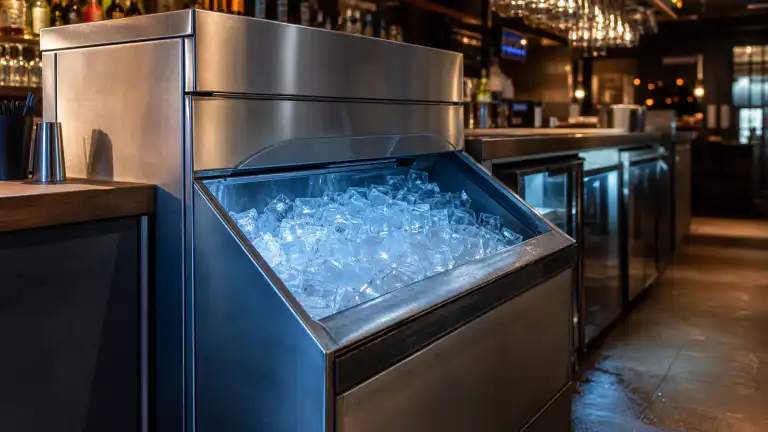
Your retail display refrigeration determines the quality of the product the customer sees and directly influences purchasing decisions. Display cases should maintain consistent temperatures across the entire display area, with adequate lighting that presents product well without generating heat that compromises temperature stability.
The refrigeration equipment you specify should carry local service agreements. In South Africa, refrigeration failure outside business hours is a material commercial risk. Knowing that a service technician can respond within hours rather than days is a real factor in equipment selection, not a secondary consideration.
Phase 2: Cutting Room Layout and Hygiene Zoning
The cutting room layout determines both your operational efficiency and your compliance profile. South African butcheries operating under HACCP are required to physically or procedurally separate raw product handling from processing and packaging areas to prevent cross-contamination.
Key Layout Principles
Design the flow of product through the cutting room in a single direction: from receiving and hanging, through primary breakdown, through secondary cutting, to packaging and dispatch or display. This is called a linear flow and it is the baseline requirement for HACCP compliance.
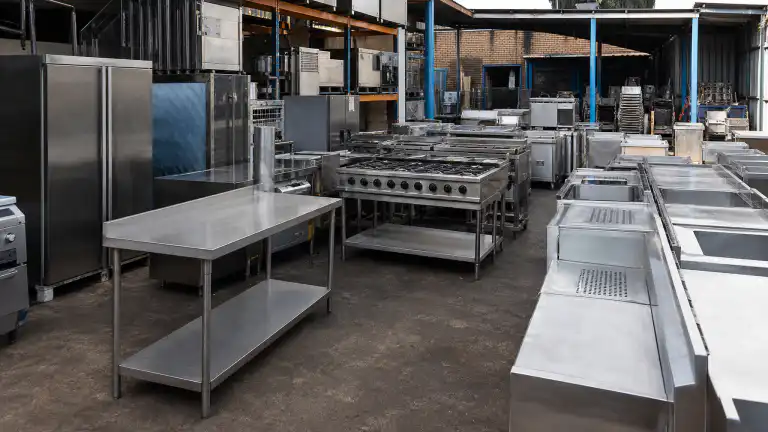
Hard surfaces throughout are non-negotiable. Wall and floor finishes must be impervious, washable, and coved at the junction between walls and floors to prevent debris accumulation. Stainless steel cutting tables are the standard for good reason: they are hygienic, durable, and easy to sanitise. Wooden surfaces are not acceptable in a compliant commercial butchery.
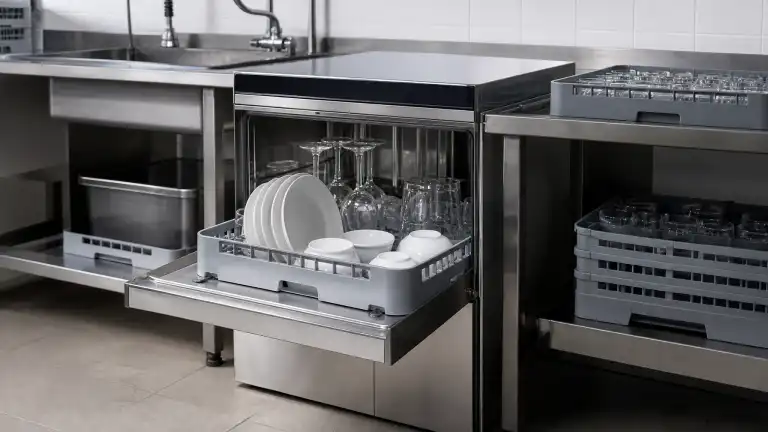
Handwashing facilities must be positioned so that butchers can wash hands without cross-contaminating surfaces they have already sanitised. This means non-touch taps and dedicated handwash basins at each work zone, separate from equipment wash sinks. Stainless steel sinks specified for purpose are the correct solution.
Ventilation and drainage must handle the volumes produced in a commercial operation. Floor drains should be positioned at low points of the cutting room floor, which must be laid with a fall toward them. Inadequate drainage is one of the most common reasons butchery premises fail their Certificate of Acceptability inspection.
Phase 3: Essential Equipment Specification
The core butchery equipment suite for a commercial operation includes the following categories.
Primary Processing Equipment
A commercial bandsaw is the primary breakdown tool for most cuts. Specify it based on the size of the carcasses or primal cuts you will process, and ensure that the blade guide and table are adjustable. A bandsaw that is undersized for your product mix creates bottlenecks and accelerates blade wear.
A heavy-duty mincer is essential for any butchery producing fresh mince, boerewors, or burger patties. Specify output capacity in kilograms per hour and match it to your production requirements. A mincer that cannot keep up with production demand during peak hours creates real operational problems.
Value-Add Equipment
Value-added products are where butchery margins are made. A commercial sausage filler allows you to produce fresh sausages and boerewors at scale, which typically carry significantly better margins than basic cuts. A meat mixer ensures consistent seasoning distribution, which is important for product quality and food safety. A vacuum sealer extends shelf life for retail packs, reduces wastage, and enables you to pre-package product for supermarket or deli supply.
A commercial meat slicer is worth specifying if you intend to produce biltong, droewors slices, cooked meats, or deli products. It improves presentation, consistency, and throughput significantly over manual slicing.
Weighing and Compliance Equipment
All trade scales used in a South African butchery must be SABS-approved and periodically verified under the Trade Metrology Act. This is a legal requirement, not an optional upgrade. Non-verified scales used in trade transactions can result in significant penalties. Specify trade-approved scales at every point of sale and pre-packaging station.
Phase 4: Compliance and Licensing
Certificate of Acceptability
Every food premises in South Africa must hold a Certificate of Acceptability (CoA) issued by the local municipality's Environmental Health Practitioner before commencing operations. The CoA inspection covers premises condition, facilities, equipment hygiene, waste management, pest control, and staff hygiene practices.
HACCP Implementation
Commercial butcheries processing raw meat are classified as high-risk food handling operations under South African food safety regulations. Implementing a documented HACCP system, following the requirements of SANS 10330, is required for operations supplying retail chains and strongly advisable for all commercial operations. HACCP documentation must identify all critical control points in the production process and specify the monitoring procedures and corrective actions for each.
Staff Hygiene and Training
All food handlers in a butchery must hold a valid food hygiene certificate. Training must cover personal hygiene, cross-contamination prevention, temperature management, and equipment cleaning procedures. This is both a regulatory requirement and a practical necessity for maintaining product quality and food safety.
Phase 5: Maximising Margins Through Value-Added Products
The financial case for value-added products in a South African butchery is compelling. Fresh mince, boerewors, and burger patties carry higher margins than equivalent-weight primal cuts. Marinated products, braai packs, and biltong carry even better margins. Ready-to-cook products packaged in retail-friendly formats open supply relationships with delis, convenience stores, and smaller supermarkets that are often underserved by large processors.
The equipment investment required to produce these lines, including a sausage filler, mixer, vacuum sealer, and slicer, is recoverable within a reasonable trading period for most operations that market the products competently.
If you are uncertain about how to structure your equipment specification, product range, or compliance approach, The Cater-Ring's consulting service is available to guide you through the process from site assessment to opening day.
Frequently Asked Questions
What licences do I need to open a commercial butchery in South Africa?
At minimum, you need a Certificate of Acceptability from your municipality, a business licence, and compliance with zoning regulations for the premises. If you intend to slaughter animals on-site, you additionally require registration under the Meat Safety Act (Act 40 of 2000) and must comply with the applicable abattoir regulations. Trade scales must be verified under the Trade Metrology Act.
How big should my cold room be for a small commercial butchery?
A practical minimum for a small commercial butchery serving a local community is a cold room of approximately 12-20 cubic metres, depending on your delivery frequency and stock holding strategy. If you take weekly deliveries of whole carcasses or large primals, you need more capacity than an operation that takes smaller, more frequent deliveries. A consultant can calculate the correct size based on your specific trading model.
Do I need HACCP certification to open a butchery in South Africa?
HACCP certification is mandatory under the Foodstuffs, Cosmetics and Disinfectants Act for food handling operations classified as high-risk, which includes commercial butcheries. Formal third-party certification is required by most retail chains and foodservice suppliers. Even for smaller operations not supplying retail, implementing HACCP is good practice and simplifies the CoA inspection process.
What value-added products give the best margins in a South African butchery?
Boerewors, marinated braai packs, vacuum-packed biltong, and specialty sausages consistently deliver better margins than raw cuts in the South African market. The specific product mix that works best depends on your location, customer base, and the competitive landscape, but any butchery with a sausage filler and vacuum sealer has access to significantly better margins than one selling raw cuts only.