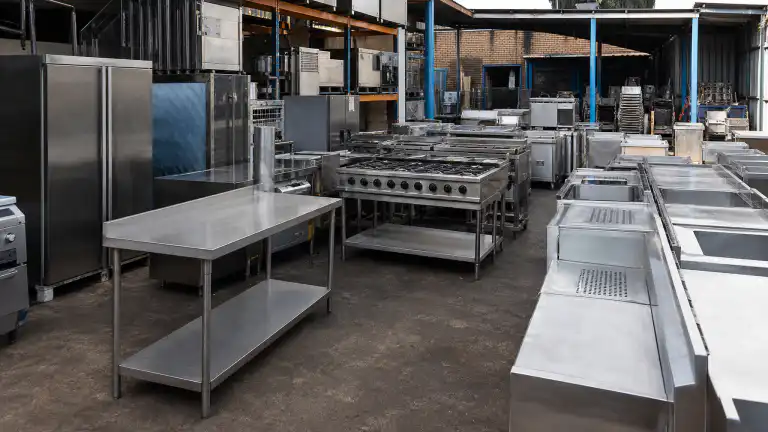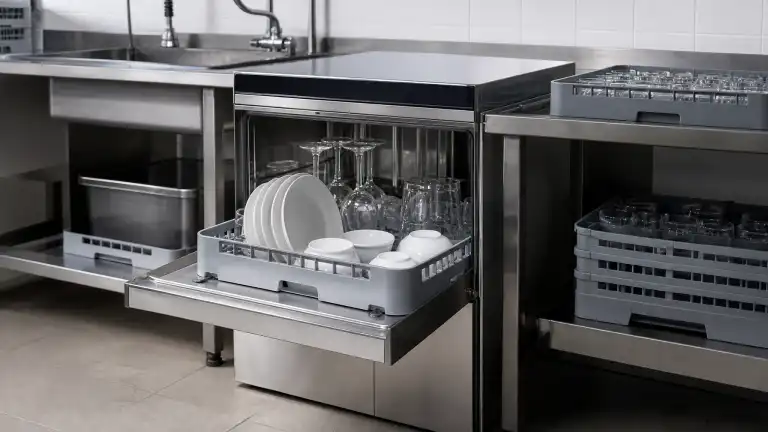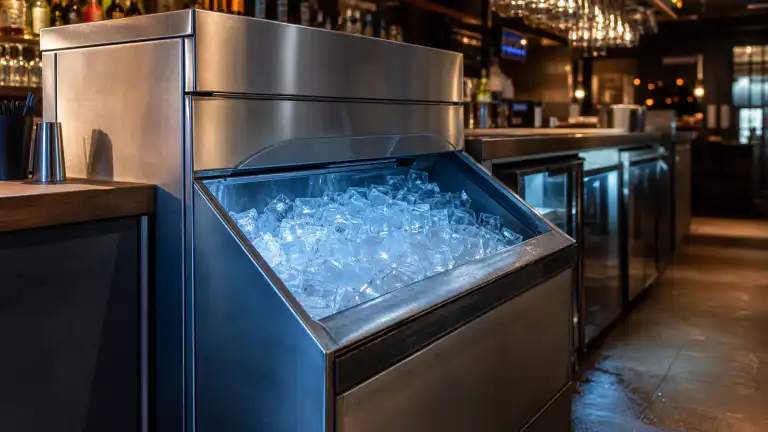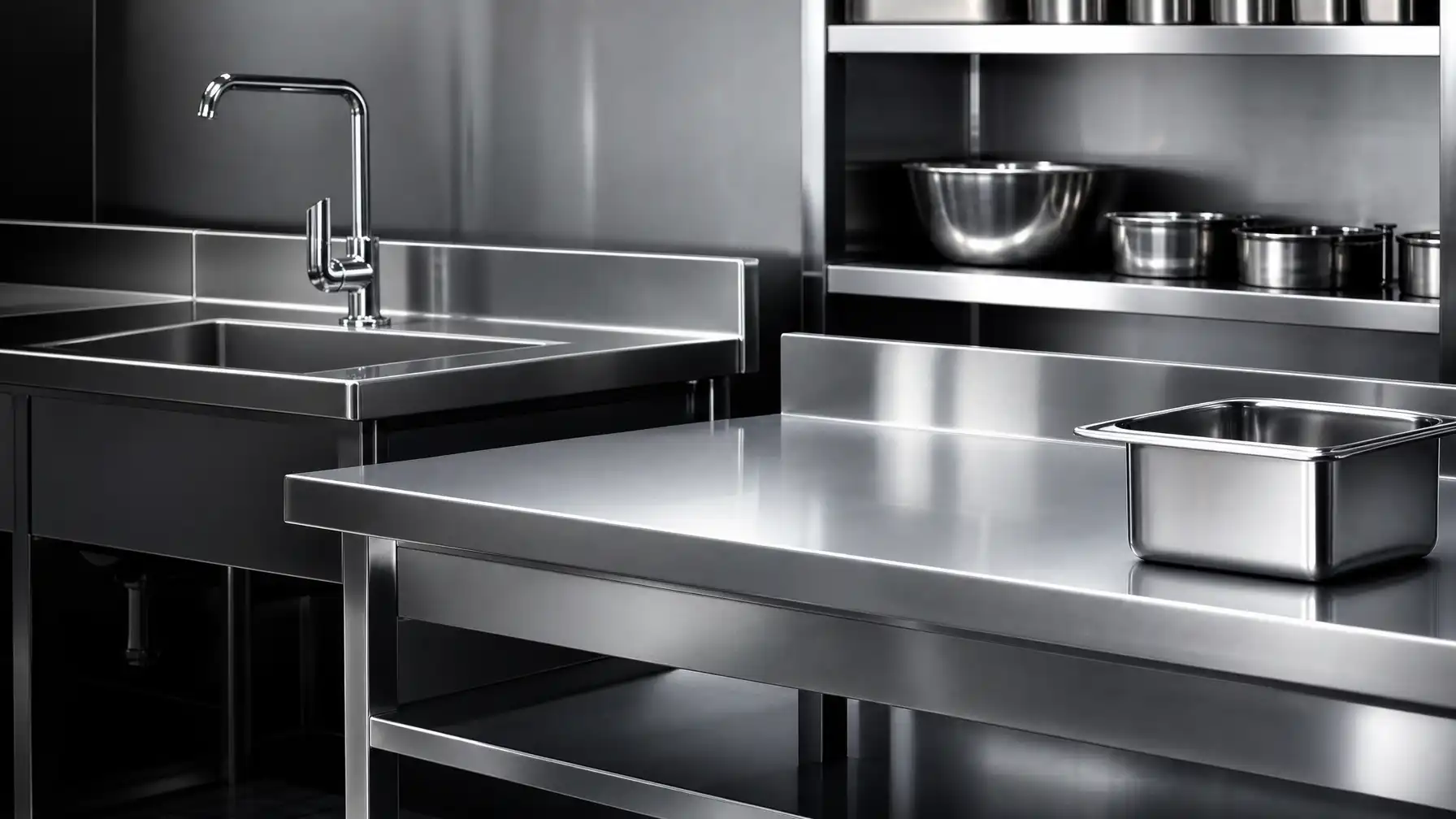
In a professional commercial kitchen, the equipment that draws the eye, the ranges, the ovens, the grill stations, tends to dominate conversations about performance. But ask any experienced kitchen manager or head chef about what they would upgrade first, and the answer is usually structural: the prep tables, the sinks, the shelving, the surfaces.
This is not a coincidence. The stainless steel structure of a commercial kitchen determines how effectively every other piece of equipment can be used. It shapes workflow, governs hygiene standards, and defines how comfortably and quickly your team can operate under pressure.
This guide covers why stainless steel has become the universal material standard for professional kitchens, what it delivers operationally, and how the right structural setup changes a kitchen’s performance at every level.
Why Stainless Steel Is the Professional Standard in Commercial Kitchens
Stainless steel dominates commercial kitchen design globally, and particularly in South African food service, for a combination of practical reasons that no alternative material has been able to match.
Durability Under Sustained Commercial Use
Commercial kitchen surfaces take sustained physical punishment: heavy pots, sharp knives, cleaning chemicals, extreme temperature exposure, and constant contact with wet and acidic ingredients. Stainless steel handles all of these without warping, cracking, absorbing stains, or degrading in structural integrity.
The grade most commonly used in commercial kitchens is 304-grade stainless steel (18/8), which provides the right balance of corrosion resistance, formability, and cost. High-moisture environments, particularly coastal South African operations where salt air accelerates corrosion in lesser materials, benefit significantly from proper-grade stainless steel over alternatives.
Non-Porous Surface for Hygienic Cleaning
The non-porous surface of stainless steel does not absorb bacteria, liquids, odours, or food particles. This is a critical advantage in a commercial kitchen where food safety compliance is non-negotiable.
Unlike wood, which can harbour bacteria in surface cuts even after cleaning, or painted surfaces that chip and corrode, stainless steel can be cleaned to a sanitised standard quickly using standard commercial cleaning agents. This matters at every cleaning event during a service and during the full clean-down at day’s end.
For kitchens operating under HACCP compliance, increasingly required by South African health inspectors across all categories of food service, stainless steel surfaces are not just preferred; they are the material that makes compliance achievable and maintainable.
Resistance to Heat, Chemicals, and Moisture
Commercial kitchens expose surfaces to heat from cooking equipment, steam, moisture from food preparation and cleaning, and aggressive commercial-grade sanitisers. Stainless steel withstands all of these without surface degradation.
This resistance reduces the frequency of surface replacement and maintains a consistent hygiene standard throughout the life of the equipment, a direct operational and financial benefit over alternatives that deteriorate with repeated chemical exposure.
The Structural Elements That Define Kitchen Performance
Stainless Steel Prep Tables
The prep table is the most-used surface in a commercial kitchen. It is where ingredients are broken down, portioned, seasoned, and made service-ready. A prep table that is undersized, poorly positioned, or structurally inadequate creates friction in every task performed on it.
Stainless steel prep tables from The Cater-Ring are available in a range of dimensions and configurations, with or without under-shelves, in single and double tier formats, with backsplash options for wall-mounted positions, and with adjustable leg heights to accommodate different operational needs.
Key considerations when selecting prep tables:
- Surface area: At least 1.2 square metres per dedicated prep chef, more for high-volume operations
- Height: Standard commercial table height is 900mm, but adjustable legs allow customisation for your team
- Under-shelf storage: Critical for keeping frequently used items within reach without consuming surface space
- Positioning: Prep tables must be positioned in the direct flow path between cold storage and the cooking line
Stainless Steel Sinks
Commercial sinks are the hygiene infrastructure of a commercial kitchen. Proper hand-washing, produce rinsing, tool cleaning, and surface sanitation all flow through the sink. When the sink is poorly positioned, too small, or inadequate for the volume of the kitchen, hygiene standards drop under pressure.
Commercial stainless steel sinks for South African kitchens are available in single, double, and triple bowl configurations. The specification depends on the workflow of the kitchen:
- Single bowl: Suitable for smaller operations or as a secondary hand-wash sink
- Double bowl: Standard in most restaurant prep areas, one for washing, one for rinsing
- Triple bowl: Required in high-volume operations and for operations under strict sanitation regulations
Position one sink within the prep zone and a second at or near the cooking line. This prevents cross-traffic during service and ensures hygiene steps are completed without disrupting workflow.
Stainless Steel Shelving
Storage that is accessible, organised, and appropriate for the weight and volume of what it holds directly affects the pace and accuracy of a kitchen.
Stainless steel shelving in a commercial kitchen needs to be:
- Weight-rated for the actual loads being stored, undercounting shelf capacity leads to structural failure and safety risk
- Positioned at accessible heights, most-used items at shoulder to waist height, less-used items above and below
- Easy to clean, wire and open-frame designs allow cleaning beneath and between shelves without disassembly
- Configured for your specific stock, adjustable shelving allows reconfiguration as your menu or volume changes
The Cumulative Effect of Structural Issues
Small structural problems in a commercial kitchen rarely appear critical in isolation. A slightly undersized prep table, a sink one station too far from the cooking line, a shelf that is just a little too high, each seems manageable.
Under sustained service pressure, these small problems compound:
| Structural Issue | Immediate Effect | Cumulative Impact |
|---|---|---|
| Undersized prep table | Staff work too close together | Physical fatigue, reduced output, higher error rate |
| Sink positioned away from flow | Staff skip hygiene steps | Food safety risk, HACCP non-compliance |
| Shelf out of comfortable reach | Extra step or reach to retrieve items | Slowed movement, broken concentration during service |
| No under-shelf storage at prep | Tools and equipment stored on main surface | Reduced effective prep area, congestion |
| Poor-quality surface finish | Absorbs stains, difficult to fully sanitise | Ongoing hygiene risk, failed inspections |
Optimising Kitchen Flow Through Structural Design
A well-structured kitchen enables flow, the condition where ingredients, staff, and prepared dishes move through the space in a logical, uninterrupted sequence. This condition is primarily created by the structural elements, not the cooking equipment.
The optimal flow path for most South African commercial kitchens follows:
- Receiving and storage → Shelving and cold storage positioned at the kitchen entry point
- Preparation → Stainless steel prep tables adjacent to cold storage with sink access
- Cooking → Range, oven, and grill stations in the production zone
- Holding and pass → Bain marie, heated passes, plating surfaces between kitchen and front-of-house
- Cleaning → Sinks and dishwashing at the end of the circuit
When each zone connects logically to the next and the structural elements support the work within each zone, the kitchen runs with minimal friction. Staff can focus on the quality of what they produce rather than compensating for layout limitations.
The Cater-Ring’s Approach to Stainless Steel Kitchen Equipment
At The Cater-Ring, stainless steel kitchen furniture and structural equipment is one of our core supply categories. We work with South African restaurants, hotels, catering companies, bakeries, butcheries, and culinary schools to specify and supply the prep tables, sinks, shelving, and work surfaces that form the operational foundation of a productive kitchen.
Our stainless steel range is sourced to perform under the sustained demands of South African commercial environments, from high-turnover urban restaurants to hospitality operations in coastal and high-humidity settings.
We also provide kitchen layout consulting for businesses planning new builds or upgrades, helping to position structural elements for maximum workflow efficiency before construction begins.
Frequently Asked Questions
What grade of stainless steel is used in commercial kitchen equipment?
Commercial kitchen equipment uses primarily 304-grade stainless steel (also written as 18/8, indicating 18% chromium and 8% nickel content). This grade provides excellent corrosion resistance, durability under commercial cleaning chemicals, and maintains its finish under sustained use. Some specialist applications, particularly in coastal environments with high salt-air exposure, use 316-grade stainless steel for enhanced corrosion resistance.
How do I clean stainless steel commercial kitchen surfaces correctly?
Clean stainless steel surfaces with a food-safe commercial sanitiser applied with a soft cloth or sponge. Always wipe in the direction of the metal’s grain (visible as fine lines on the surface) to avoid surface scratching. Avoid abrasive scrubbing pads and bleach-based cleaners, which can damage the surface over time. Rinse with clean water after sanitising and dry to prevent water spotting.
Can stainless steel prep tables be custom-sized for my kitchen?
Standard commercial prep table sizes accommodate most kitchens, but custom sizes are available for unusual space configurations. The Cater-Ring can advise on standard sizes and lead times for custom fabrications. Contact the team at +27 10 109 2104 to discuss your specific requirements.
Is stainless steel kitchen furniture expensive compared to alternatives?
The upfront cost of stainless steel kitchen furniture is higher than alternatives such as powder-coated mild steel. However, the service life of quality stainless steel in a commercial environment (15-20+ years with proper care) makes the total cost of ownership significantly lower. Cheaper alternatives require more frequent replacement, carry higher hygiene risk, and often fail under the chemical and physical demands of commercial use.
Does The Cater-Ring supply stainless steel kitchen equipment in Johannesburg, Cape Town, and other cities?
Yes. The Cater-Ring supplies stainless steel prep tables, sinks, shelving, and kitchen furniture throughout South Africa, including Johannesburg, Pretoria, Cape Town, Durban, and surrounding areas. Contact the team or browse the full range at caterring.co.za.