December and other high-demand trading periods reveal the true performance level of your commercial kitchen. Reliable foodservice equipment is not just a preference during these periods, it is the difference between a kitchen that runs and one that stops.
This guide covers what makes commercial kitchen equipment genuinely reliable, which categories matter most under pressure, how to evaluate your current setup, and when maintenance is no longer enough.
What Makes Foodservice Equipment Reliable?
Reliability in a commercial kitchen context means consistent, repeatable performance under sustained, heavy use. A piece of equipment earns the label "reliable" when it:
- Performs to specification every cycle, not just initially
- Maintains temperature accuracy, motor performance, and output consistency during long operating shifts
- Requires minimal unplanned intervention during service
- Has accessible parts, local service support, and a track record in comparable South African environments
Equipment that performs well during normal trading can still fail under peak-season pressure. The critical difference is how the equipment was designed, what it was rated for, and whether it has been properly maintained leading into a busy period.
The Real Cost of Equipment Downtime in Peak Season
South African food service businesses, restaurants, caterers, bakeries, hotels, and butcheries, face their highest revenue opportunity during peak trading windows. A breakdown during this window does not just cost repair time. It costs:
- Lost revenue from reduced output or service interruptions
- Staff stress and slower kitchen performance
- Product waste from temperature failures in refrigeration or holding equipment
- Reputational damage if service quality drops for customers during the busiest time of year
According to industry benchmarks, unplanned kitchen downtime during a peak trading period costs a South African restaurant an average of several hours of revenue per incident. For catering operations, a single equipment failure can compromise an entire event.
Key Equipment Categories to Evaluate Before Peak Season
Refrigeration Equipment
Your refrigeration chain is the most critical component of food safety and product quality. Upright freezers, blast chillers, display fridges, and undercounter units should be inspected for:
- Door seal integrity (worn seals cause temperature loss and compressor overwork)
- Thermostat accuracy (verify against a calibrated thermometer)
- Condenser coil cleanliness (blocked coils reduce efficiency and increase energy use)
- Fan motor performance
Commercial refrigeration equipment that has been running for three or more years without a service should be professionally checked before the busy season begins.
Cooking Equipment
Ranges, ovens, fryers, and grills experience the highest wear rates in any commercial kitchen. Before peak season:
- Test all burners and elements under full load
- Verify thermostat calibration on ovens
- Check pilot lights and gas connections on gas equipment
- Inspect fryer baskets, heating elements, and drain valves
A commercial oven that runs 10% below temperature will produce inconsistent results across hundreds of covers, creating waste and quality complaints at the worst possible time.
Holding and Warming Equipment
Bain maries, heated cabinets, and chafing equipment keep food at safe serving temperatures between preparation and service. Verify that:
- Temperature settings are accurate (food must be held above 63°C)
- Water reservoirs are clean and free of scale build-up
- Lids and covers seal properly to prevent heat and moisture loss
Food Preparation Equipment
Dough mixers, slicers, and food processors take on significantly more volume during peak periods. Inspect belts, blades, bowls, and motor performance under load before demand increases.
Signs Your Equipment Is Not Ready for Peak Season
These are the warning signs that deserve immediate attention before your kitchen hits full capacity:
- Inconsistent temperature readings, any refrigeration or cooking unit that cycles above or below its set point is unreliable under sustained use
- Unusual noise, grinding, rattling, or excessive vibration from motors, fans, or compressors indicates mechanical wear
- Longer recovery times, a fryer or oven that takes noticeably longer to return to temperature after each load is losing performance
- Leaks or condensation, water pooling under refrigeration units or moisture inside cabinets signals seal or drainage failure
- Tripped circuits, equipment that trips circuit breakers intermittently under load has an electrical issue that will escalate under heavy use
- Staff complaints, your kitchen team notices performance issues before a diagnostic does; take their feedback seriously
Energy Efficiency During High Output Periods
Energy costs increase proportionally with operating hours and output during peak season. Modern, energy-efficient foodservice equipment reduces this exposure.
Key energy considerations:
- Refrigeration accounts for 35-40% of a commercial kitchen's total energy consumption. Upgrading to an inverter-driven compressor unit can reduce this by up to 30%
- Convection ovens use fan-forced air to reduce cooking times and temperatures compared to conventional ovens, cutting energy use per cycle
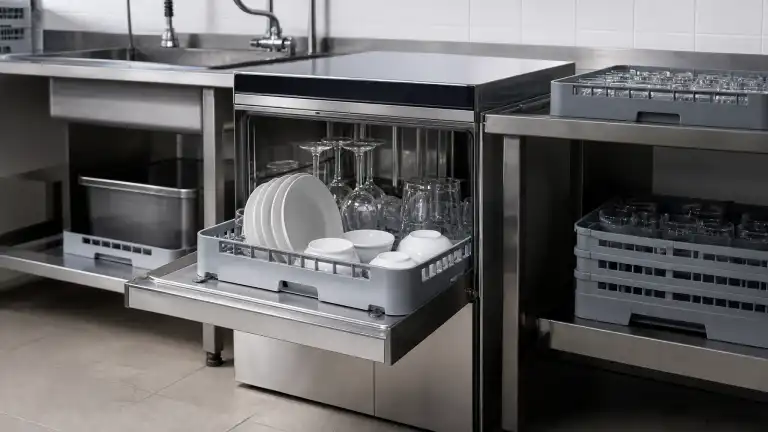
- Commercial dishwashers with heat recovery systems recapture exhaust steam to pre-heat incoming cold water, significantly reducing water heating costs during high-volume wash cycles
At The Cater-Ring, we guide South African businesses on energy-efficient equipment selection that reduces long-term operating costs without compromising performance.
Maintenance vs. Upgrade: How to Decide
Not every equipment issue requires replacement. Use this framework to decide:
| Situation | Recommended Action |
|---|---|
| Equipment is under 5 years old and the fault is isolated | Service and repair |
| Equipment requires repeated repairs (more than twice in 12 months) | Evaluate cost of repair vs. replacement |
| Equipment is over 8 years old and underperforming | Plan upgrade before next peak season |
| Energy consumption has increased noticeably without explanation | Service first; if unchanged, upgrade |
| Equipment cannot meet current production volume requirements | Upgrade, capacity is a business constraint |
Proactive planning before the peak season allows you to make this decision with clarity rather than urgency. Waiting until equipment fails mid-service leaves you with reactive, expensive, rushed replacements.
Working With The Cater-Ring Before Your Busy Season
The Cater-Ring supplies commercial catering equipment across South Africa, supporting restaurants, hotels, bakeries, butcheries, and catering companies. Our team works with businesses to:
- Assess current equipment against production and service requirements
- Identify the highest-risk items before peak demand
- Recommend appropriate upgrades or replacements with lead time to install and test before busy periods
- Source energy-efficient alternatives that reduce ongoing operating costs
Addressing your setup before the pressure arrives is always the better decision. Equipment sourced and installed in a quiet period can be tested, adjusted, and fully bedded in before it needs to perform at full capacity.
Frequently Asked Questions
What is the most important piece of equipment to service before peak season?
Refrigeration equipment should be the first priority. A refrigeration failure during peak season risks both product safety and significant waste. Service your upright freezers, display fridges, and undercounter units before demand increases.
How often should commercial kitchen equipment be serviced in South Africa?
Most commercial kitchen equipment manufacturers recommend a full service every 6 to 12 months depending on usage intensity. Equipment running double shifts or used in high-humidity environments (coastal locations) should be serviced more frequently.
Can I upgrade equipment mid-peak season?
It is possible but not ideal. Installation and staff training on new equipment during busy trading creates operational disruption. Where possible, plan upgrades for quieter trading windows (typically February to April in most South African food service operations) with enough time to test before the next peak.
Does The Cater-Ring offer equipment consultations?
Yes. The Cater-Ring provides consulting services for commercial kitchen planning, equipment selection, and layout optimisation. Contact the team at +27 10 109 2104 to discuss your specific operational requirements.